

Why Great Homes Still Need Network Wiring

Many homeowners hear that modern WiFi can handle everything in the home, making structured network wiring feel unnecessary. That idea sounds simple, but it often creates problems later. As homes add more connected devices, entertainment systems, security cameras, smart appliances, and automation systems, the demands on the network continue to grow. Poor coverage, dropped connections, and inconsistent performance often stem from a network designed around convenience rather than long-term reliability.
A wireless-only approach can also limit future flexibility. Dense building materials, large property sizes, and electromagnetic interference can weaken signals and create frustrating dead zones throughout the home. Even strong WiFi systems perform better when they do not carry unnecessary traffic from stationary devices. A home without proper wiring may also require more invasive upgrades later as technology changes or expands.
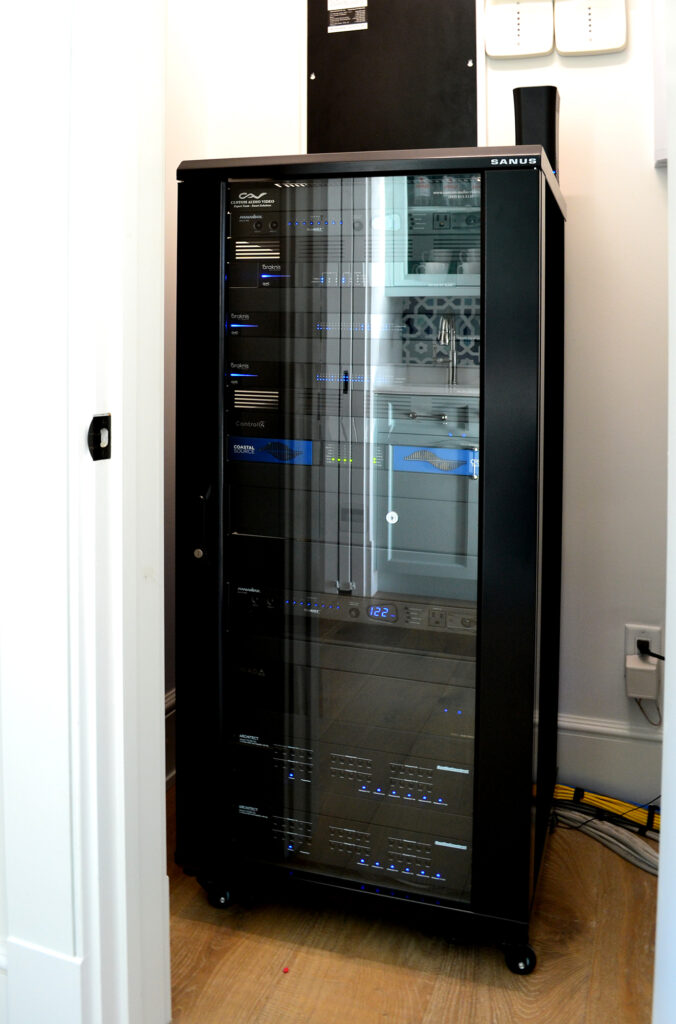
CAV Integrated Home recommends a balanced approach that combines both wired and wireless networking. Mobile devices like smartphones, tablets, and laptops work best on WiFi, while stationary devices such as smart TVs, security cameras, streaming devices, and connected appliances benefit from hardwired network connections. This approach keeps WiFi traffic lighter while delivering faster, more reliable performance where it matters most. CAV also recommends installing conduits between equipment locations, attics, crawl spaces, and exterior access points during construction or renovation projects. These pathways make future technology upgrades cleaner, easier, and far less disruptive over time.
If you are designing a new home or remodeling an existing property, CAV Integrated Home can help plan a network built for long-term performance and flexibility. Consult with a CAV designer to review plans or schedule an on-site walkthrough to discuss the best networking and structured wiring solutions for the home.


